
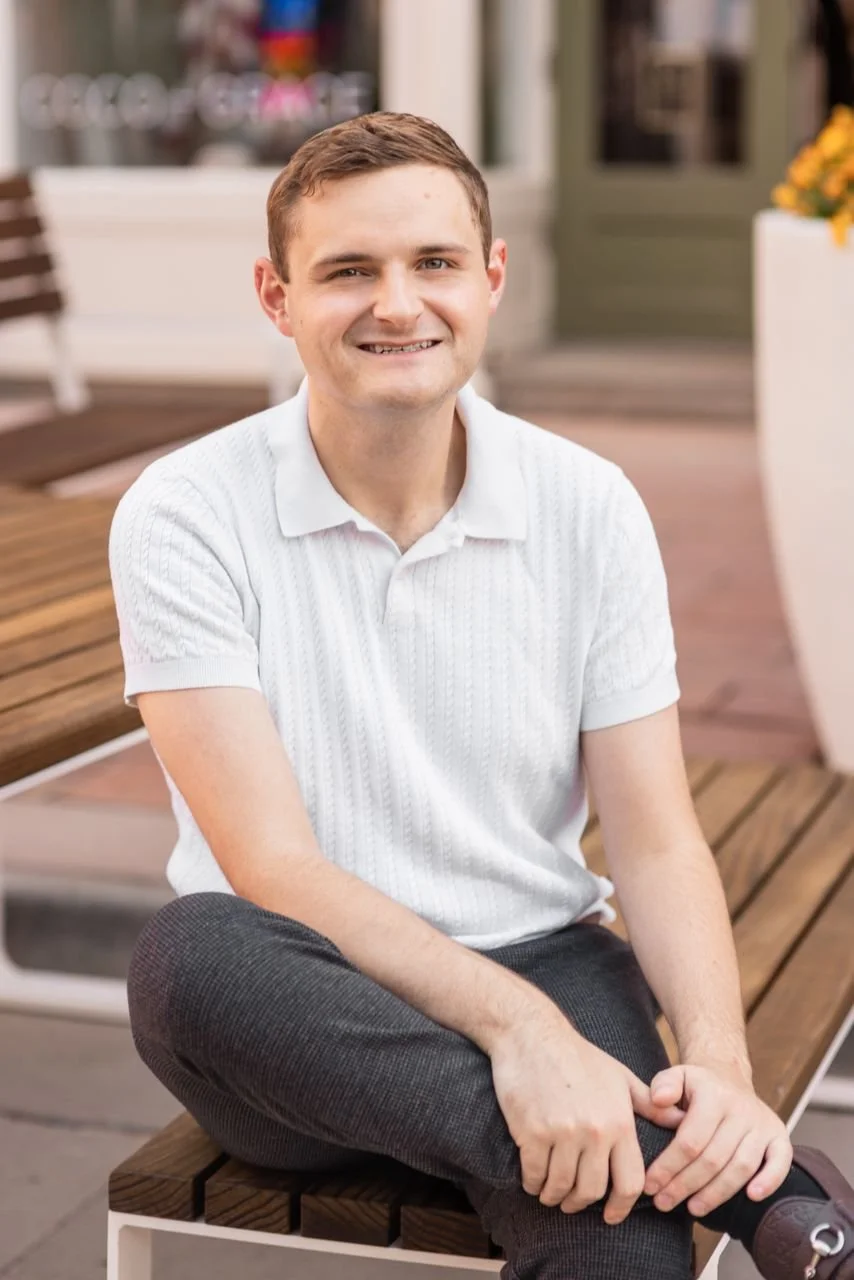
Hi, I’m Drake Coleman, LPC- a, @ Fort WOrth Counseling & Intervention
Supervised by Christoper Grof, JD, LPC-S
I believe counseling should be a space where you can show up as you are, without judgment or pressure to have everything figured out. My approach is shaped by the tools and experiences that have supported my own healing, along with practices grounded in research. I focus on what works for you by building awareness, practical tools, and lasting change.
I take a collaborative, flexible approach to therapy. I draw from a variety of approaches that help you understand patterns in thoughts and behaviors, while also incorporating brain- and body-based work. I have experience working with substance use and co-occurring concerns, and I view substance use as something that often points to deeper underlying patterns. Our work can focus on addressing those roots while supporting whatever goals feel right for you.
My background in Religious Studies and Psychology informs my work with spirituality, identity, and meaning, including spiritual concerns or religious trauma. I also support clients navigating disordered eating, existential questions, and identity development, including within the LGBTQ+ community.
With a background in yoga, fitness coaching, and movement-based wellness, I bring a mind-body perspective to help you better understand how stress and past experiences show up both mentally and physically. I also incorporate principles from positive and health psychology to support resilience and overall well-being.
I strive to bring a multicultural, inclusive lens to my work and continue growing in my own awareness. At the end of the day, I’m simply another human sitting with you, offering support, curiosity, and a steady presence.

Fort Worth Counseling and Intervention
At Fort Worth Counseling, we walk with clients as they seek freedom from the physical, mental and spiritual bonds that keep them from living a full and healthy life.
Specialties
-
I offer a space to explore your relationship with substances and other addictive behaviors in a way that feels honest, supportive, and free of judgment. Whether your goals are abstinence, harm reduction, or simply having a place to process your experiences with alcohol, drugs, or other addictive patterns, we can work together to better understand the role these patterns play in your life. I have experience working in IOP/PHP levels of care as well as outpatient substance use counseling, and our work can focus on underlying patterns, coping strategies, and building tools that support lasting change in a way that aligns with what matters most to you.
-
Brainspotting is a brain and body based therapy that developed out of EMDR. It uses specific eye positions, sometimes called “brainspots,” to help access and process experiences that may feel stuck beneath the surface. By working with how the brain and body hold stress, trauma, dissociation, and emotional pain, Brainspotting can reach areas that aren’t always accessible through talking alone.
This approach can be helpful for trauma, anxiety, dissociation, grief, performance blocks, and experiences you may not feel ready or able to fully explain. You do not have to share every detail of what happened for meaningful processing to take place.
In session, we work together to notice what comes up in your body, emotions, and internal experience while using a specific point of focus. This can create a focused, grounded, meditative-like state that supports deeper healing, nervous system regulation, and a greater sense of connection over time.
-
I offer a space to explore questions of meaning, identity, and belief—particularly during seasons of doubt, loss of faith, or the aftermath of harmful, high-control religious experiences. This work involves unpacking what you were taught, processing what you’ve experienced, and identifying what remains true for you today.
I approach spirituality from a nonsectarian, psychological, and inclusive perspective. I respect your individual values, whether they are rooted in a specific tradition, personal spirituality, or no spiritual framework at all. With a background in Christian traditions and a degree in Religious Studies, I am familiar with a broad range of perspectives and aim to meet you exactly where you are. Together, we will work to make sense of your history and help you reconnect with what feels authentic, grounding, and supportive in your life.
-
LGBTQ+ affirming therapy means you don’t have to leave parts of yourself at the door. I offer a grounded, respectful space to talk honestly about identity, relationships, sexuality, faith, family, and the pressures that can come with being yourself in Texas.
As a member of the community, I approach this work with openness, humility, and common sense. My style is nonjudgmental and honest, with room to talk about sexuality, intimacy, dating, and relationships without shame. The goal is to help you feel more at home in your own skin, your relationships, and the life you’re building.
-
Disordered eating therapy can be a space to talk honestly about food, body image, control, shame, and the thoughts or behaviors that start taking up too much room in your life. Together, we can work toward more peace in your body, more freedom around food, and a deeper understanding of what may be driving the distress underneath.
My approach is not about judgment, quick fixes, or forcing a relationship with your body that does not feel real. It is about helping you listen more clearly to what your mind and body are communicating, build practical tools, and move toward healing at a pace that feels supportive. When helpful, I can also collaborate with dietitians, medical providers, or other wellness professionals to support whole-person care.
-
Yoga, mindfulness, and positive psychology can support therapy by helping you care for the whole person: mind, body, and spirit. Together, we can create realistic plans for wellness, movement, fitness, self-care, and daily habits that support your life outside of session.
When desired, I can integrate yoga and mindfulness practices directly into therapy, including breathwork, meditation, grounding, and body awareness. This work is about bringing insight into real life so you can feel more steady, connected, and able to follow through on the changes that matter to you.